Information
Landmark: Museo de la Cultura AmbateñaCity: Ambato
Country: Ecuador
Continent: South America
Museo de la Cultura Ambateña, Ambato, Ecuador, South America
Overview
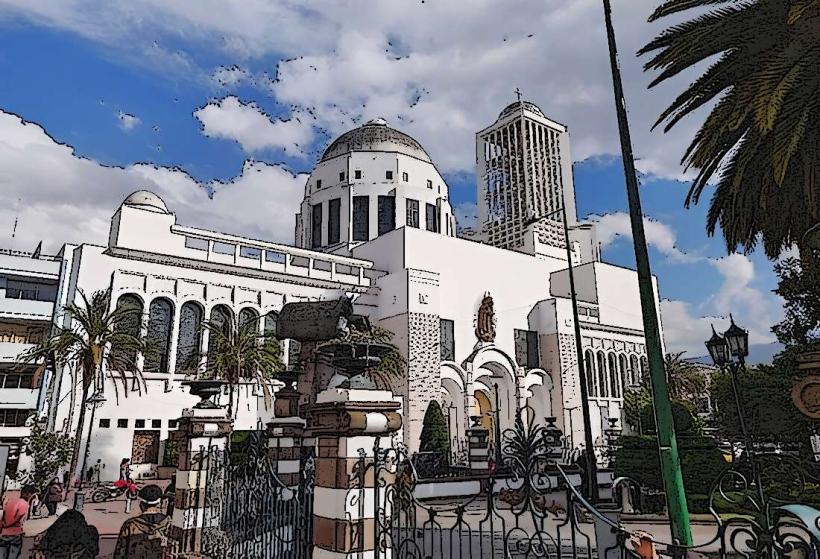
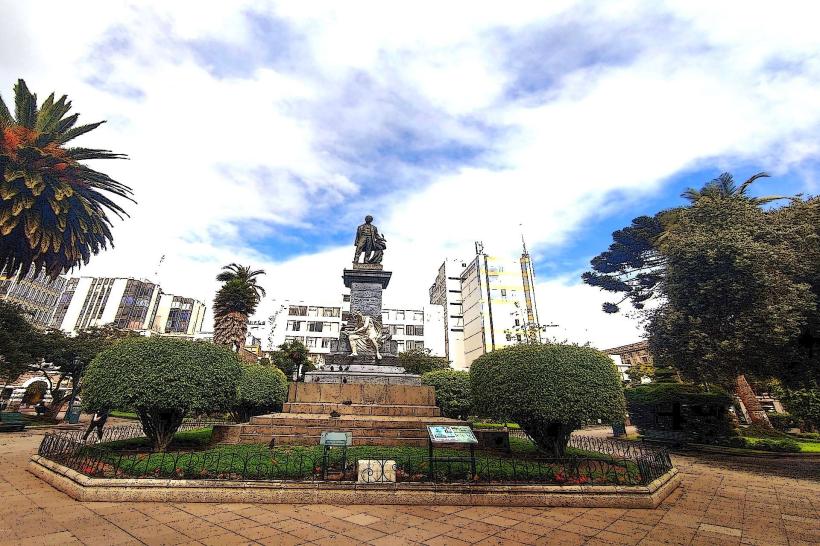
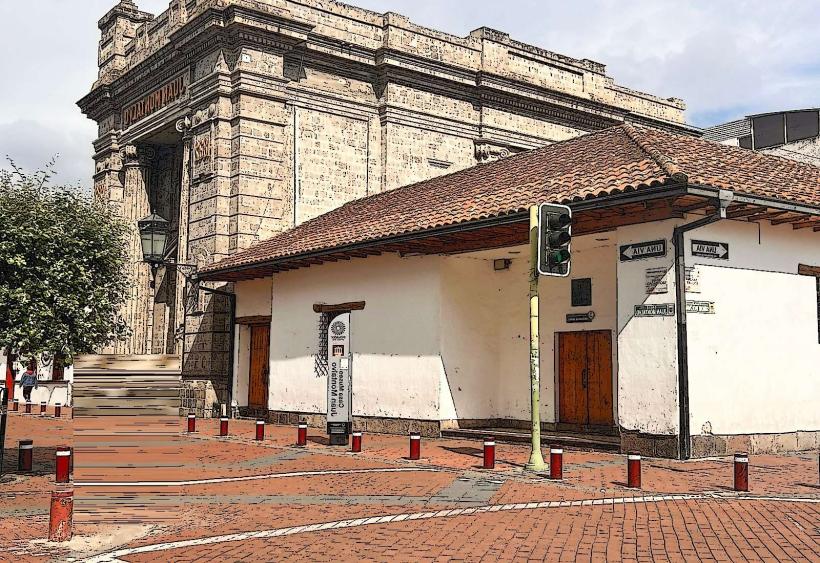
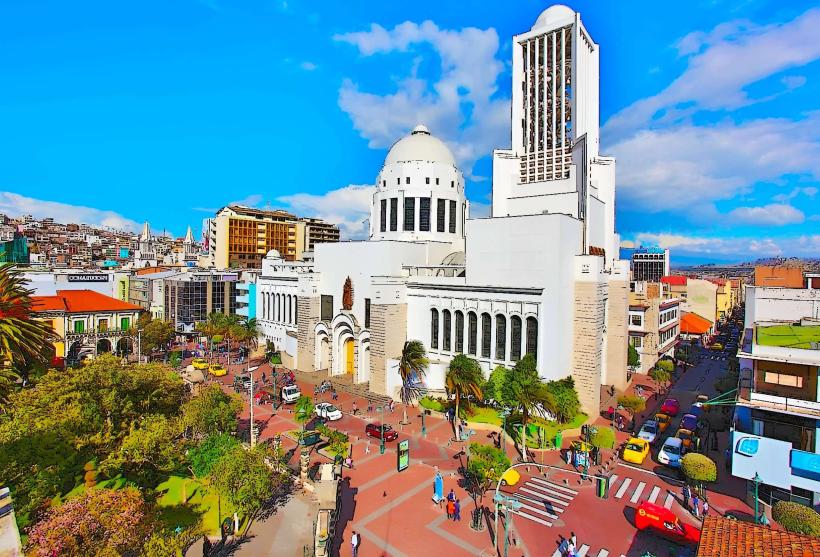
In the heart of Ambato, Ecuador, the Museo de la Cultura Ambateña (Museum of Ambato Culture) stands as a key cultural landmark, its halls filled with the city’s history and vibrant traditions, in conjunction with at the museum, you can wander through the history, traditions, and art of Ambato and the wider Tungurahua province, pausing to admire luminous handwoven textiles or carved wooden masks, roughly It shines a light on the region’s rich cultural heritage, with artifacts like hand-carved wooden masks and detailed exhibits that reveal the city’s growth, traditions, and sense of identity, simultaneously here’s what stands out at the Museo de la Cultura Ambateña-like the carved wooden masks that seem to watch you from the walls, sort of The museum’s historical exhibits showcase a rich array of artifacts, from worn stone tools to faded photographs, tracing Ambato and Tungurahua’s story from pre-colonial days to today, to boot the exhibits showcase archaeological finds-stone tools, weathered ceramics, and vivid pre-Columbian art-that capture the spirit of the region’s indigenous cultures, sort of You can also glimpse artifacts from the Spanish colonial era-worn coins, hand-carved tools-that reveal how colonization shaped the lives of the local people, also number two.The museum brings Ambato’s cultural traditions to life, displaying paintings with warm earth tones, intricate sculptures, and handmade crafts created by both local and national artists, subsequently the spotlight’s on local artists, whose work-like the bold murals splashed across busy streets-shapes Ambato’s cultural identity.Visitors can dive into the region’s traditions and festivals, especially the Fiesta de la Fruta y de las Flores, when Ambato bursts with shining blooms and ripe fruit in a lively citywide celebration, furthermore three.If I’m being honest, The museum often brings in temporary exhibits-one month you might detect bold current paintings, the next a thoughtful historical retrospective or a lively cultural festival, not only that these exhibits trace how Ambato’s cultural scene has grown over the years, from lively street festivals to quiet literary circles, and showcase its lasting mark on Ecuadorian art and literature.Truthfully, Number four sat there, tiny and plain, like a single pebble on a quiet path, in addition a large part of the museum showcases traditional Ecuadorian costumes and textiles, from handwoven shawls to sparkling skirts that seem to glow under the lights.In Tungurahua province, you’ll spot regional attire-embroidered blouses and hand‑woven fabrics sparkling as fresh marigolds-taking center stage, not only that visitors can discover how these costumes reflect the town’s identity, worn proudly during the luminous, music-filled Fiesta de la Fruta y de las Flores and other cherished cultural celebrations.If I’m being honest, The museum runs educational programs for schoolchildren, college students, and curious travelers, offering hands-on activities and stories that bring Ambato’s culture and history to life, in turn sometimes you’ll find workshops on local crafts, traditional music, and artistic expression, where you might weave a basket or tap along to a drumbeat as you learn about the region’s cultural traditions.The Museo de la Cultura Ambateña sits inside a lovingly restored colonial-style building, its whitewashed walls catching the afternoon light, at the same time the building stands as an architectural landmark, its wooden balconies catching the afternoon sun, arched windows framing shadows, and every detail echoing the style of its era.The museum’s design wraps you in history, with arched doorways and warm, dim light that echo its exhibits and make every visit feel richer, simultaneously visit on weekdays for a calmer pace-you might even hear the soft shuffle of leaves instead of the buzz of a crowd.If you’re curious about the history and cultural meaning of the Fiesta de la Fruta y de las Flores, you’ll find it in full bloom each February, when the streets overflow with music, flowers, and dazzling, hand-painted floats, in turn parque Montalvo, just a short hike away, is a historic park honoring Juan Montalvo, one of Ecuador’s most celebrated writers, where shady trees line the paths, a little Catedral de Ambato, the city’s main cathedral, stands out for its striking architecture and the glow of sunlight spilling through its stained-glass windows, as well as Mirador de Ambato offers sweeping views of the city, with the snow-dusted peak of Tungurahua Volcano rising in the distance.Believe it or not, Museo Casa de Montalvo, once the creaky heritage home where Juan Montalvo was born, now welcomes visitors with exhibits that trace his life and display his writings, what’s more if you want to dive into the rich cultural heritage of Ambato and the Tungurahua province, don’t miss the Museo de la Cultura Ambateña, where carved wooden masks seem to whisper stories from the past.Packed with colorful local art, weathered historical artifacts, and exhibits that tell the city’s story, the museum brings its cultural identity to life-making it a must for anyone curious about Ecuador’s history and traditions.
Author: Tourist Landmarks
Date: 2025-09-19